Custom Eco-Friendly Packaging: An OEM and ODM Guide for Brands
How custom eco-friendly packaging development works: the difference between OEM and ODM, how to prepare a brief, what tooling costs, and how to move from sample to bulk.
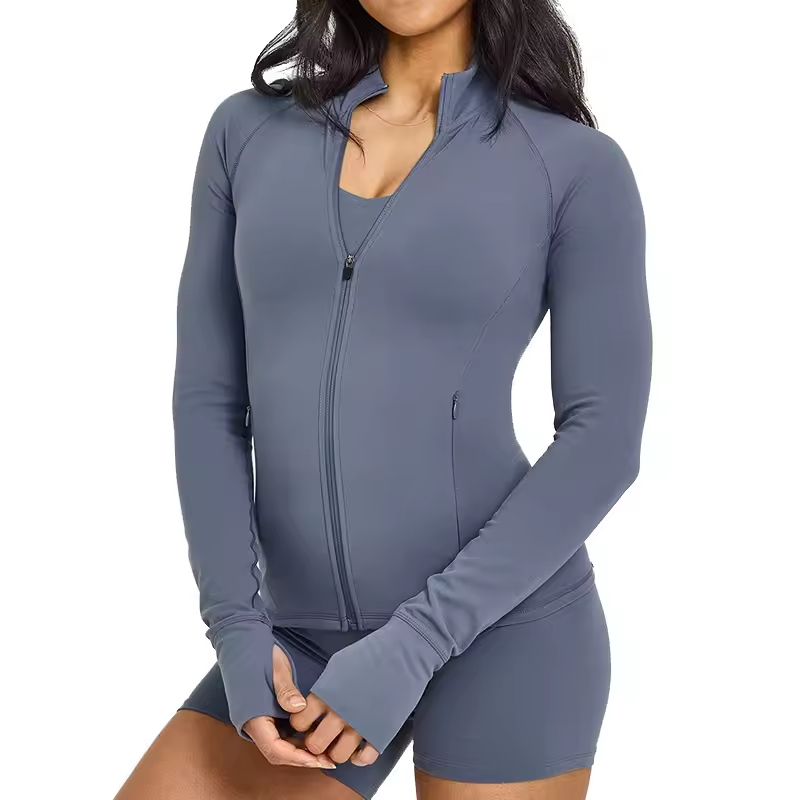
OEM, ODM and what you actually need
OEM means you supply the design and the factory manufactures to it; ODM means you adapt an existing design, which is faster and cheaper but less exclusive.
Which route is right depends on how much differentiation the market requires and how much time and budget you can invest before the first order.
Preparing a brief the factory can use
A useful brief for eco-friendly packaging includes dimensions, materials, colours with references, artwork, packaging, target quantity and target price.
The more precisely the brief is written, the fewer sample rounds are needed, and each avoided sample round saves both money and calendar time.
Tooling, moulds and sample rounds
Custom eco-friendly packaging may require moulds, dies or printing plates; clarify who owns the tooling and what happens to it if you move to another supplier.
Budget for at least two sample rounds and approve them in writing, because verbal approval is the most common cause of a production dispute.
Branding, labelling and compliance
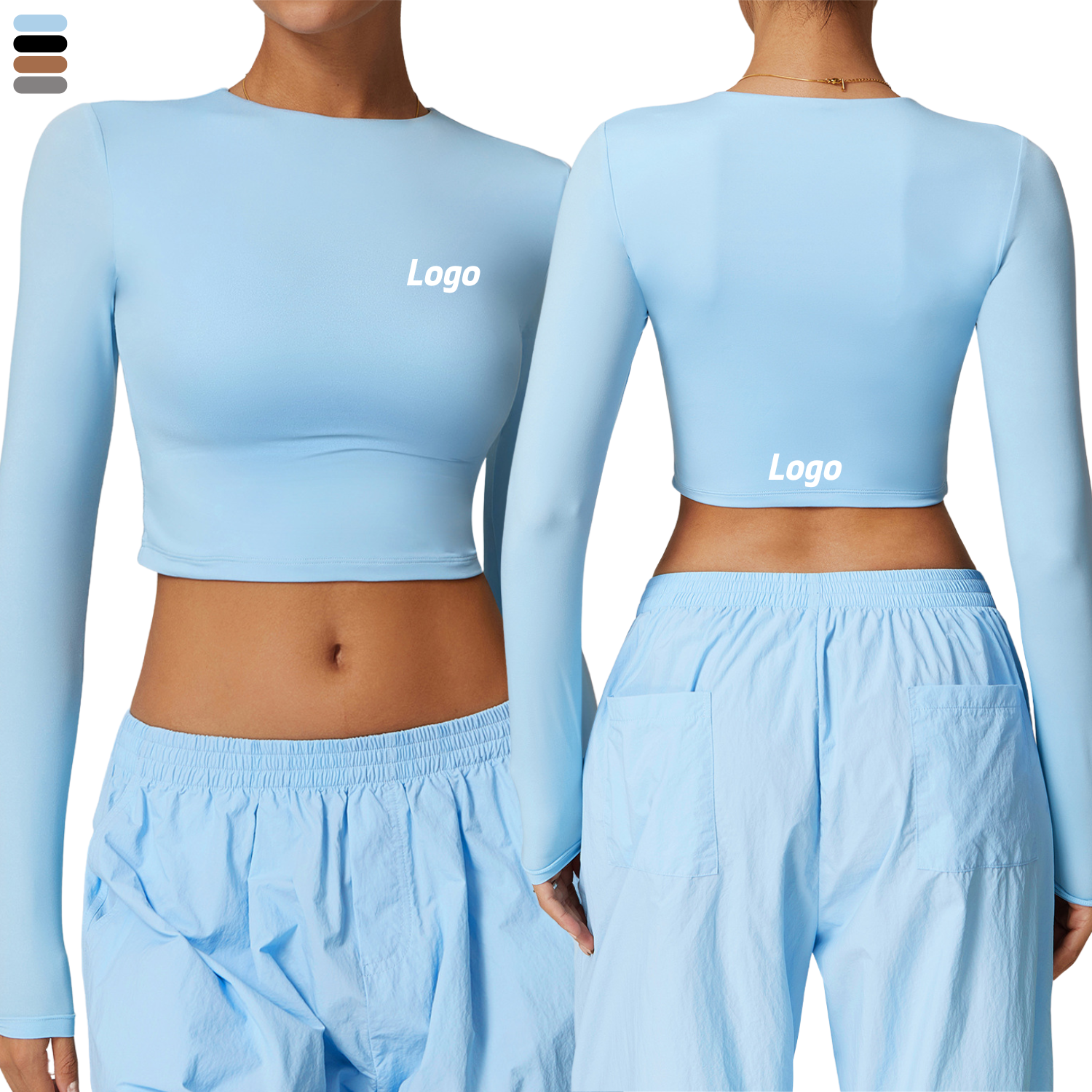
Logo application, labels, barcodes and care or warning text must meet the rules of the destination market and be approved before mass production.
Ask for artwork proofs and a labelled production sample so that the first bulk shipment is not the first time you see the finished branding.
Scaling from sample to bulk
Once the sample is approved, freeze the specification and record the material lot and machine settings so that a reorder can reproduce the same result.
Start with a modest first order to validate the process, then scale after the quality and the logistics have been proven.
Summary
Used as a checklist during development and again before shipment, the points above prevent the most common and most expensive failures.